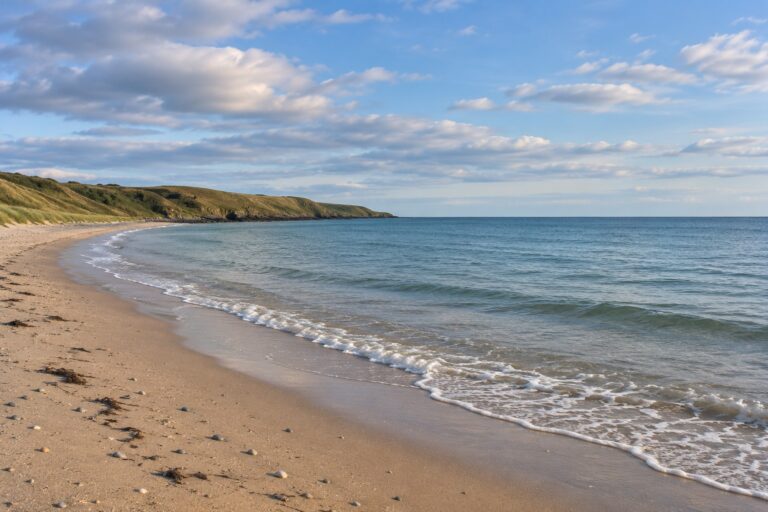
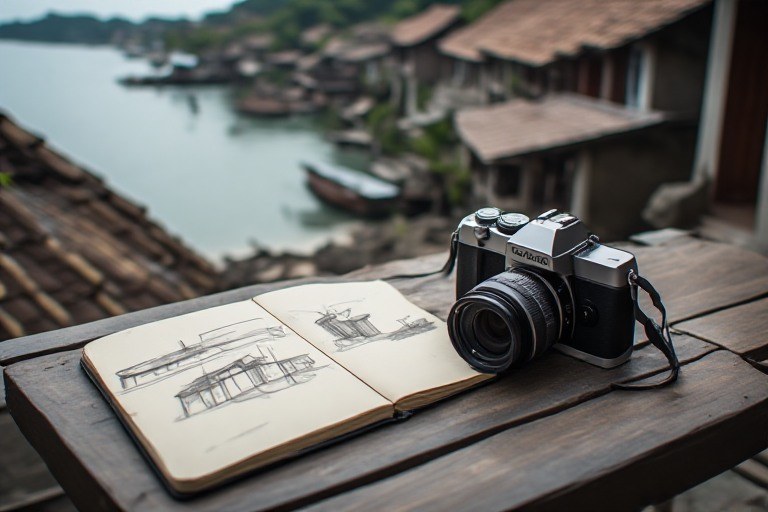
You can return from a trip with dozens of attractive street photographs and still have no image showing how those streets connect to the waterfront. The missing frame was not necessarily difficult to make. It simply never became a priority.
A useful photo shot list makes those priorities visible before you leave. Keep it short enough to consult while standing outside, and describe what each photograph should explain. Add the conditions worth checking and an alternative if the original idea becomes impractical.
The aim is to arrive with a direction while keeping enough attention free to notice something better.
Start with one photographic intention
Choose a manageable part of the trip: a neighborhood walk, a coastal stop or a visit to one public space. Then complete this sentence:
I want these photographs to show how ______.
For a hypothetical coastal walk, you might write: “I want to show how a neighborhood connects to the water through lanes, steps and shared spaces.” That gives you something specific to look for without deciding every composition in advance.
Avoid intentions that depend on an unverified story. “Show an unchanged traditional way of life” assumes facts before you arrive. “Show the visible connections between boats, landing places and nearby streets” stays closer to what photographs can actually demonstrate.
If your intention includes several unrelated themes, narrow it. A short visit may give you enough opportunity to explore one relationship well. The broader guide to telling a place’s story through travel photos explains how individual frames can contribute to that larger sequence.
Give each planned frame a different job
Start with a setting photograph, an activity or relationship, and a meaningful detail. Treat these as prompts rather than a compulsory formula.
The setting frame should help someone understand the space. The activity frame should show something happening within it. The detail should add information that the wider photographs cannot make clear.
For the coastal example, those jobs might become:
- A view showing where a lane meets the waterfront.
- A visible movement or activity connecting the lane and landing.
- A closer photograph of an object already seen in the wider scene.
Notice that none of these entries requires a particular person to appear or a dramatic event to happen. You are identifying useful information, then watching for an appropriate way to photograph it.
Add a connecting frame only if you can explain its contribution. A passage between two spaces might help the sequence; another attractive doorway may repeat information you already have.
See more: Ruang Kosong dalam Foto: Kapan Frame Terasa Lega atau Sepi?.
Write the result you want, then a shooting cue
“Harbor, market, sunset” is a list of subjects. It gives you little help deciding where to stand or what to include.
A stronger entry describes the visual relationship: “Show the steps connecting the lane to the landing, with both ends visible.” Underneath, add one practical cue: “Find a permitted position where a nearby boat does not hide the steps.”
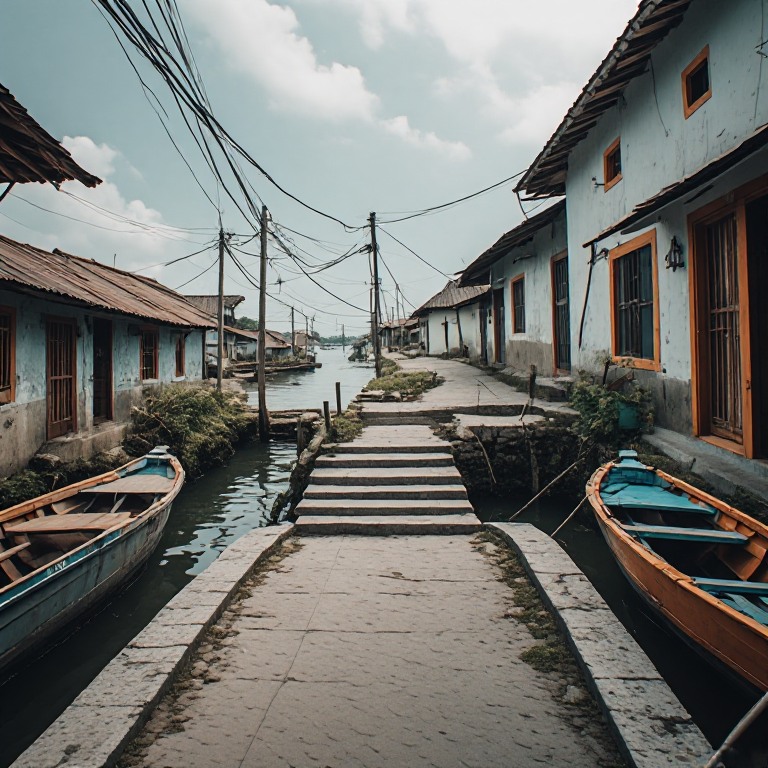
This connects preparation directly to framing. You know what needs to remain visible, so you can judge whether a position works. For a closer look at that decision, see choosing your viewpoint and foreground.
Keep camera settings out of the list unless a particular visual effect makes them relevant. Before seeing the conditions, a note such as “keep the carried object readable” is more useful than prescribing one shutter speed. Decide the technical response when you can see the movement and light.
Use a compact shot-list template
The following example is hypothetical. Its entries suggest possibilities to investigate; they do not describe confirmed access or activity at a real destination.
| Frame and priority | What the photograph should explain | Condition or question | Alternative |
|---|---|---|---|
| Lane meeting waterfront — main | How the neighborhood reaches the water | Is there a permitted position with the route visible? | Show the connection from another accessible junction |
| Landing and surrounding space — main | How steps, boats and shore relate | Can the important parts be distinguished from the available viewpoint? | Photograph a smaller section with a clearer relationship |
| Everyday movement — optional | How someone uses the route | Is photographing the activity welcome and appropriate? | Show the route and relevant objects without centering a person |
| Connected detail — optional | Something the wider view cannot explain clearly | Does the object visibly relate to another planned frame? | Choose another relevant detail actually observed |
| Quiet connecting view — optional | The transition between lane and open shore | Does it add information missing from the other frames? | Omit it if the sequence already connects |
For your own list, copy this shorter structure into a phone note or notebook:
Trip segment:
Photographic intention:
- Frame:
- What it should show:
- Main or optional:
- Condition or question:
- Alternative:
Repeat only for distinct photographic needs. If two entries would produce nearly the same information, combine them.
Separate ideas from things you need to verify
A photograph found during preparation can suggest a subject or viewpoint. It does not establish that you can use that position, bring particular equipment or photograph the same activity during your visit.
Keep a small “verify before departure” note beside the shot list. Include questions that could change whether an important frame is feasible:
- Is the location accessible during the intended visit?
- Does the operator publish photography or equipment restrictions?
- Does the proposed position require specific permission?
- Is the activity you hope to observe actually confirmed?
Use the relevant venue or authority for location-specific information. Record unresolved questions as questions; do not let an attractive reference image turn an assumption into a plan.
For a photograph centered on an identifiable person, plan time to ask rather than treating agreement as something already secured. If someone declines or appears uncomfortable, choose another subject. The guide to photographing everyday activity respectfully develops those decisions without making people responsible for completing your list.
Put priorities ahead of a rigid shooting order
Mark the frames that matter most to your intention. Keep the rest optional. That distinction helps when your available time becomes shorter than expected.
Group entries by the part of the trip where they might fit, but avoid assigning every frame an exact appointment. An activity may be absent, a viewpoint obstructed or the light different from what you imagined.
Where timing matters, describe the condition you want: “when the entrance is visible without a crowd blocking it,” for example. Add a specific time only when you have a sound reason for it. This keeps the visual need clear even if your schedule changes.
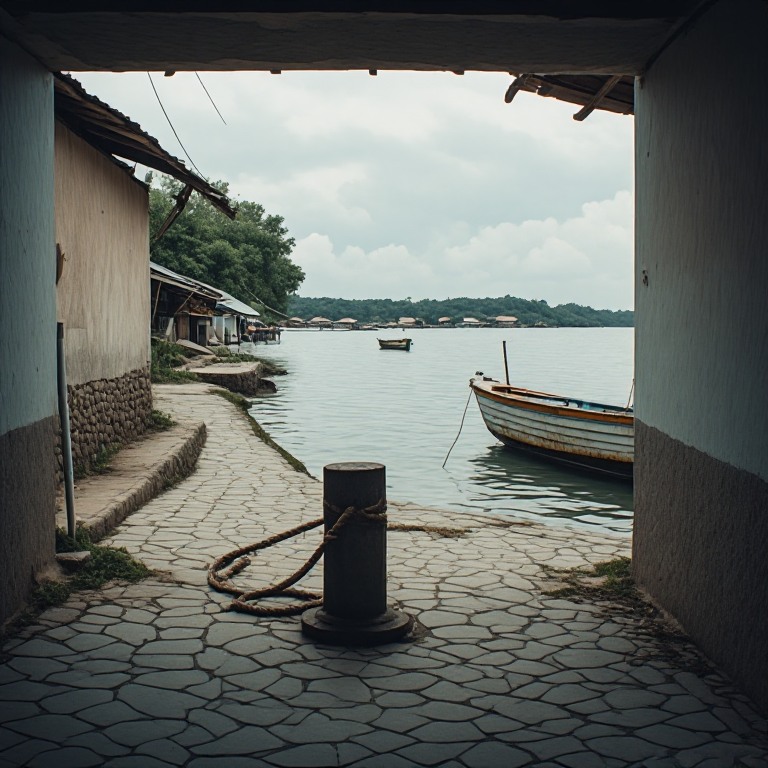
Choose alternatives that preserve the frame’s purpose. If a landing is inaccessible, another permitted view might still explain the connection to the water. Photographing an unrelated flower would fill a slot without replacing the missing information.
Leave the list editable when you arrive
Read the scene before trying to complete the note. Ask whether your original intention still fits what is in front of you.
If the most revealing connection is between sheltered seating and a busy walkway, revise the list around that observation. You can cross out an entry without treating the visit as a failure.
After making a main frame, look at what it actually communicates. A photograph of the waterfront may still conceal the route you intended to show. Adjust that entry before collecting several similar views.
Keep unexpected photographs too. Later, consider whether they add something missing, replace a weaker planned image or belong in a separate set. The list has done its job when it helps you notice what your photographs need—and leaves you ready to recognize it when the place offers a different answer.